

Common Credit Report Errors and How to Fix Them
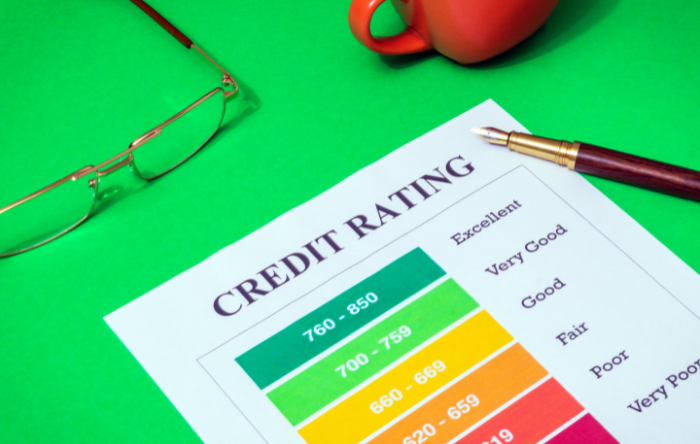
Your credit report is one of the most important financial tools tied to your name. Lenders, landlords, insurance companies, and other organizations may review it when making decisions about loans, housing, and other services. The good news is that consumers have the right to review their credit reports and dispute inaccurate information. Understanding the most common credit report errors and knowing how to correct them can help protect your financial health and prevent unnecessary headaches.
Why Reviewing Your Credit Matters
Many people assume their credit report is accurate, but errors are more common than you think. An inaccurately reported late payment, incorrect balance, or account that does not belong to you can create an unfair picture of your financial behavior.
Common Credit Report Errors
1. Incorrect Personal Information
Mistakes such as a misspelled name, wrong address, incorrect date of birth, or inaccurate Social Security number can sometimes cause information from another individual to be mixed into your file.
2. Accounts You Do Not Recognize
If you notice a credit card, loan, or collection account you do not remember opening, investigate immediately. The issue may result from a reporting mistake, but it could also be a warning sign of fraud or identity theft.
3. Incorrect Account Status
Accounts are occasionally reported with inaccurate details. A debt may show as unpaid after it has been satisfied, a closed account may still appear open, or an account may be marked delinquent despite on time payments.
5. Errors in Payment History
Payment history is a major factor in determining credit scores. If a lender incorrectly reports a late payment, the impact can be significant.
How to Fix Credit Report Errors
Step 1: Gather Documentation
Collect records that support your position, including account statements, bank records, payment confirmations, loan payoff letters, and correspondence with creditors.
Step 2: File a Dispute
Contact the credit bureau reporting the error and submit a dispute explaining what information is inaccurate.
Step 3: Contact the Creditor
You should also notify the lender or company that provided the information. If they confirm the mistake, they can update their records and report corrected information.
Step 4: Monitor the Outcome
Keep copies of all communications and follow up to verify the correction appears on your credit report.
Your credit report is more than a record of borrowing history. It is a snapshot of your financial reputation. Taking time to review it regularly can help you identify errors, catch fraud, and maintain an accurate credit profile.
At Pennian Bank, we believe financial knowledge empowers consumers. Reviewing your credit report may take only a few minutes, but it can have a lasting impact on your financial future.
